
Slots, Bluffs and Bankrolls: A Real Talk Guide to iGaming
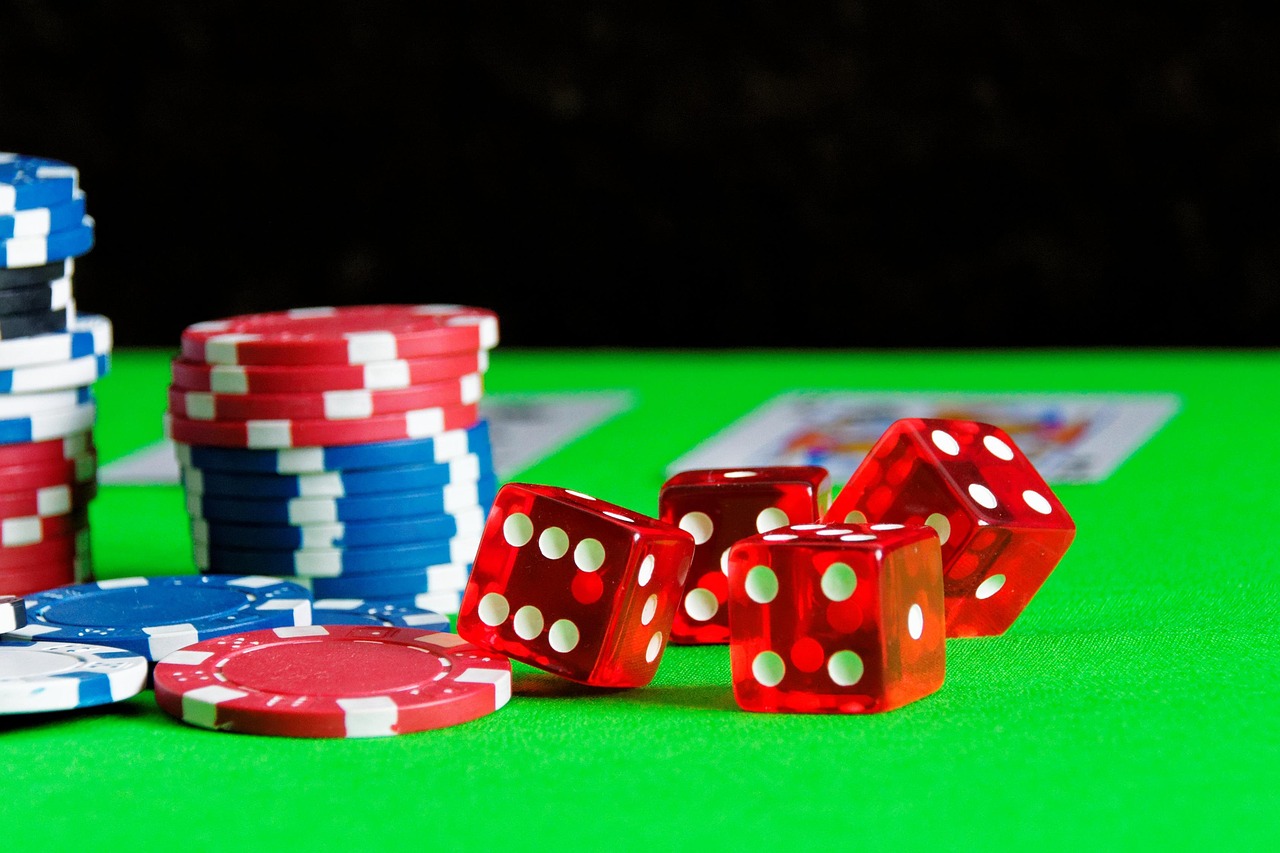
Most people who lose money at online casinos don't lose it because they're unlucky. They lose it because nobody ever told them how the math actually works. The flashing lights, the animated slot reels, the adrenaline of a river card — all of it is engineered to keep you playing long enough for the house edge to do its quiet, patient job. If you understand that single truth, you're already ahead of about 90% of the people clicking "Spin" right now.
This isn't a lecture about quitting gambling. It's the conversation you'd have with a friend who's been in the iGaming world long enough to stop being dazzled by it — the kind of person who knows which games are actually winnable, which ones are pure entertainment, and where the real skill in poker lives.
The House Edge Isn't a Bug — It's the Whole Business Model
Every casino game on earth makes its money the same way: a built-in mathematical advantage for the operator. What changes is how big that advantage is. And those differences are enormous.
- Blackjack (basic strategy): roughly 0.5% house edge. This is the best bet on the floor if you learn the chart.
- Baccarat (banker bet): about 1.06%. Casino floors love baccarat because it looks sophisticated while quietly grinding players down. The player bet is worse at ~1.24%.
- European roulette: 2.7%. American roulette with the double zero jumps to 5.26% — same game, nearly double the bleed.
- Slots: typically 2% to 10%, and online slots often sit in the 3%–6% range, which is actually better than the physical machines in Vegas.
- Keno: anywhere from 25% to 35%. Yes, really. It's one of the worst bets in any casino, and it's sold as a lottery-style thrill.
Here's how the edge feels in practice: a 2% house edge on a slot means for every $100 you cycle through the machine, you should expect to lose about $2. If you spin $500 in an hour, that's roughly $10 gone — that's your entertainment bill, not a conspiracy. The players who get destroyed are the ones who cycle thousands of dollars thinking the odds will "turn." They don't. Luck averages out; the edge doesn't.
Slot Machines: Volatility Is the Number That Actually Matters
Everyone talks about RTP (return to player), but volatility is what determines whether your $100 session lasts ten minutes or three hours.
Low-volatility slots pay small and often. Think Starburst style — you'll grind, get frequent little returns and rarely see a monster hit. High-volatility slots like Money Train or San Quentin are slot sessions disguised as lightning strikes: you can lose 200 spins in a row before a bonus round pays 500x. Neither is "better." They're just different emotional experiences.
A few practical slot tips that actually matter: For a closer look, iwin68club.it.com has helpful details.
- Check the RTP in the game info panel. If you can't find it, that's a red flag. Reputable providers publish it.
- Match volatility to your bankroll. A $50 bankroll on a high-volatility slot is a coin flip; on a low-volatility one it's an evening's entertainment.
- Max bet only if the bonus mechanic requires it. Some slots (like certain Megaways bonus buys) effectively need a minimum stake range to trigger features fairly.
- Bonus buys are a math shortcut, not a loophole. If a 100x buy-in bonus has an RTP of 96% within the feature, you're paying a premium for variance, not beating the system.
Poker Is the Only Game Where the Other Player Is the Product
Here's the fundamental difference: in slots and roulette you're playing against the house, and the house always wins long-term. In poker, you're playing against other humans — and the house just takes a rake. Poker is the one iGaming vertical where long-term profit is genuinely possible for a skilled player.
But "possible" and "easy" are galaxies apart. The skill edges in modern online poker are razor-thin, especially at low stakes, because the recreational players you're hunting are also getting better tools. If you're serious, focus on three things:
- Position: Playing more hands in late position is the single biggest leak-leak fixer for beginners. You act last, you have information, you have leverage.
- Bankroll management: Never sit with more than 5% of your total poker bankroll at a cash table. Variance will humble you — 20 buy-in downswings happen to winning players.
- Game selection: The softest tables are usually mid-stakes with a mix of regulars and one or two fish. If your table is all regs, leave. There's no shame in table-hopping; there's only tax to sitting in a bad game.
Bonuses, Free Spins and the Small Print That Bites
Welcome bonuses are marketing. Read that sentence again. A 100% match up to $500 with 40x wagering isn't free money — it's a contract. If you deposit $100, get $100 bonus, and the wagering is 40x the bonus, you must bet $4,000 before withdrawing anything. On a 4% house edge game, your expected loss grinding that out is around $160 — more than the bonus itself in many cases.
The bonuses that actually have value:
- Low wagering (5x–10x) with reasonable time limits.
- Sticky vs. non-sticky bonuses. Non-sticky lets you withdraw your real money first; sticky locks the bonus until you meet terms. Know which you're getting.
- Free spin offers with per-spin values above $0.20 and expiry windows longer than 24 hours.
Always check whether slots contribute 100% toward wagering and whether table games contribute anything at all (often 10% or nothing). Live dealer games frequently don't count. That detail turns a "generous" bonus into a treadmill.
Where Responsible Gambling Stops Being a Slogan
Every regulated operator is required to show responsible gambling tools and links. Players ignore them until they don't. The honest reality is that most people who lose control don't realize it until they're already deep in a losing month. Set deposit limits before you start — not after a bad night. Use session timers. And if you're playing to recover losses rather than for entertainment, that's the moment to walk away.
iGaming is a legitimate, regulated industry worth hundreds of billions, and there's nothing morally wrong with enjoying it. But it rewards the informed and punishes the impulsive with almost mechanical precision. Learn the edges, respect the volatility, treat bonuses as contracts, and play poker like the skill game it is. The players who last in this world aren't the luckiest ones — they're the ones who understood the fine print before they ever clicked deposit.
